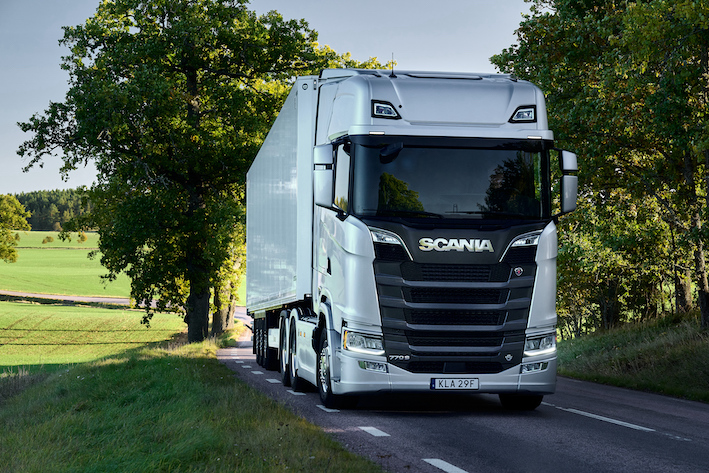
Scania Australia has returned to the Brisbane Truck Show for the first time since 2019 with a display of three powerful 6×4 prime movers.
The Scania ‘King of the Road’ prime mover uses a 16.4-litre 770hp V8 to power the biggest cab seen on a Scania in many years.
Not only is it the largest S-series cab with a completely flat floor, but it also boasts a high roof and extended length cab for additional space in almost every direction.
The 770 S will be displayed front and centre against a glowing red backdrop emphasising the truck’s pre-eminence.
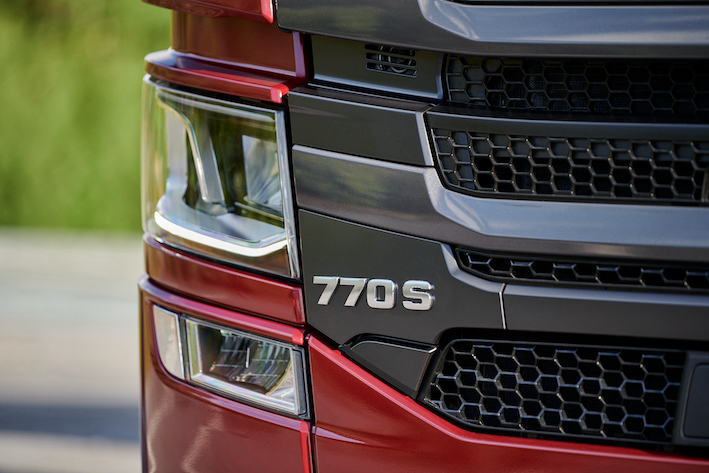
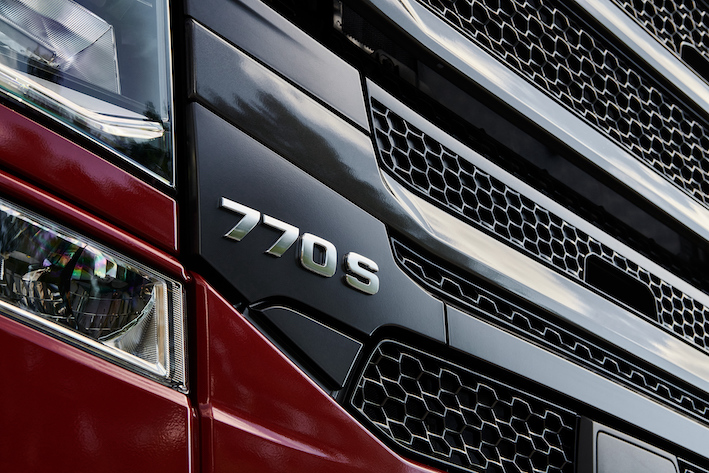
The 770 S uses a 16.4-litre 770hp V8 to power the biggest cab seen on a Scania in many years
Next to the 770 S will be the 560 G, powered by the highest output new generation DOHC six-cylinder SUPER engine delivering 560hp and 2,800Nm of torque.
Alongside the 560 G is the 500 P, the low-entry cab now available with the most powerful engine yet offered in the P-series.
Scania’s return also coincides with the debut of an all-new display stand that boasts customer lounges and areas dedicated to Scania services such as finance, aftersales and safety.
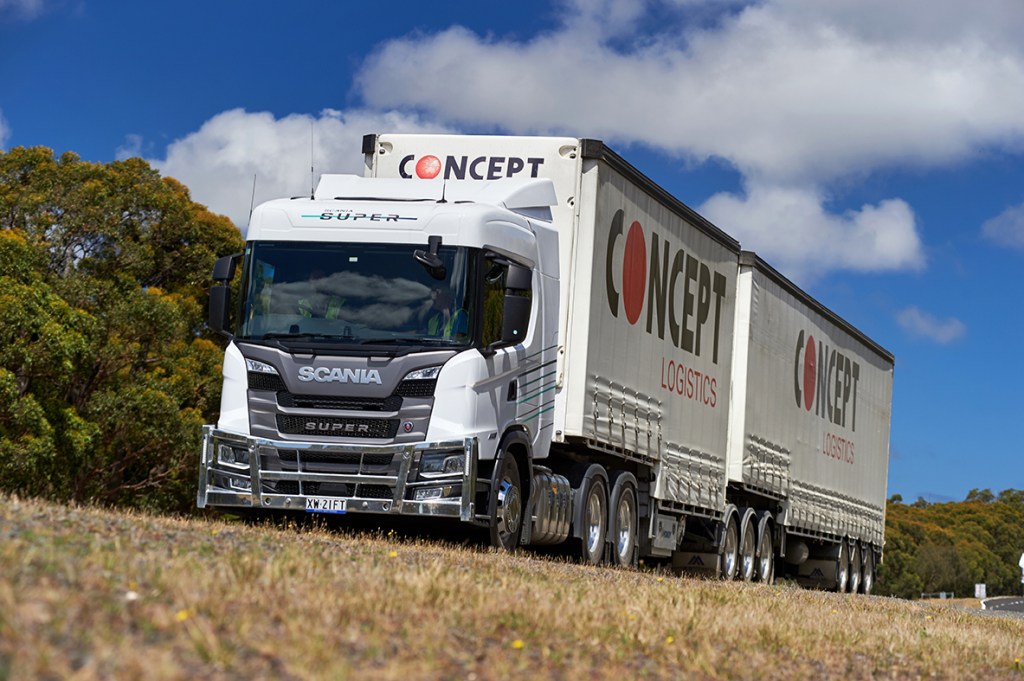
The 560 G powered by the highest output new generation DOHC six-cylinder SUPER engine
Across the street from the show hall at The Depot, Scania’s Dunk Truck, a P-series rigid fitted out with a basketball ring and accompanying 10-square-metre Dream Courts’ flooring will be enticing aspirant technicians to shoot some hoops while learning about career opportunities with Scania.
Much has changed at Scania Australia since its last appearance in Brisbane, not least of which is a significant rise in sales of its safe, efficient and technically advanced trucks.
Due to shipping delays, a brand new, tailored-for-Australia fully electric prime mover has missed out on a berth in Brisbane. Marooned on a ship outside Fremantle is a special evaluation 40 G BEV that Scania Australia commissioned from the factory, with a view to launching at Brisbane, as the start of the roll-out of an enlarged BEV line-up of vehicles for the Australian market.
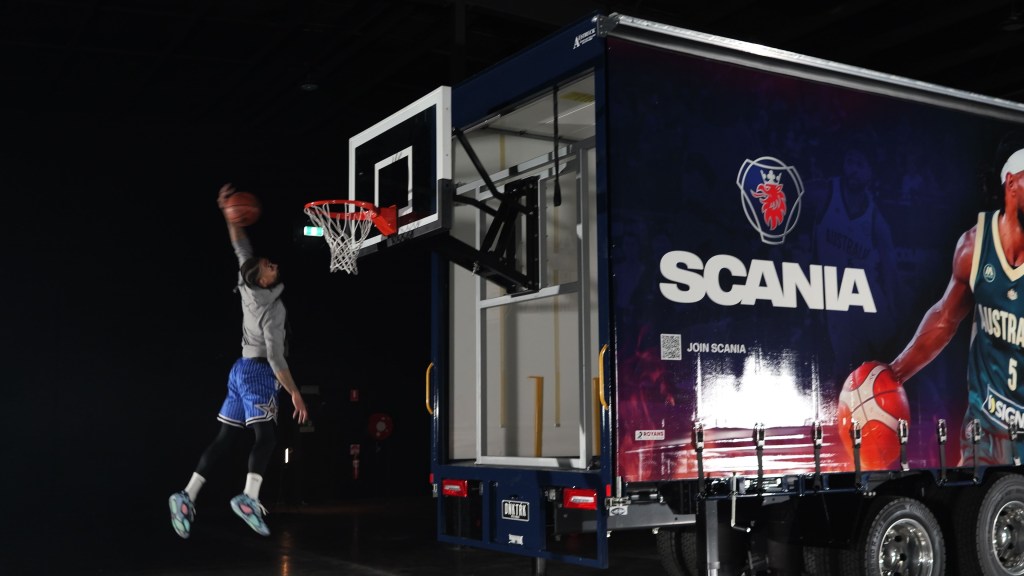
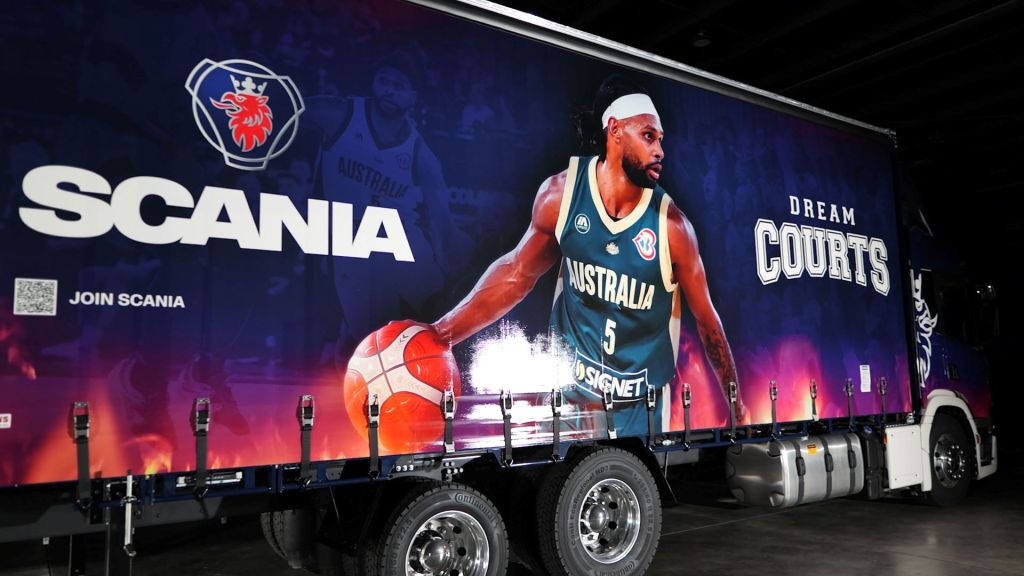
Scania’s Dunk Truck is a P-series rigid fitted out with a basketball ring and accompanying 10-square-metre Dream Courts’ flooring
Specified closely to meet the needs of many local operators, the 40 G will be shown off to prospective customers in more private arenas once it reaches dry land. The 40 G is powered by a 416-kilowatt hour battery pack and uses the latest generation 400kW Electric Machine with integrated four-speed gearbox to give useable real-world range and payload options.
“We are disappointed not to be able to show off the 40 G BEV into which we have poured a lot of effort, but we will do our best to expose the truck to interested parties in the short term,” says Manfred Streit, Managing Director of Scania Australia.
“While we are keen to promote BEVs in this market, we remain clear-eyed about the role our BEV trucks will play in Australia in the foreseeable future. Scania has done the hard and expensive R&D work to create a functionally viable range of BEVs. But BEVs must exist in a viable ecosystem of charging networks and affordable electricity to make commercial sense for operators to switch to EV power.
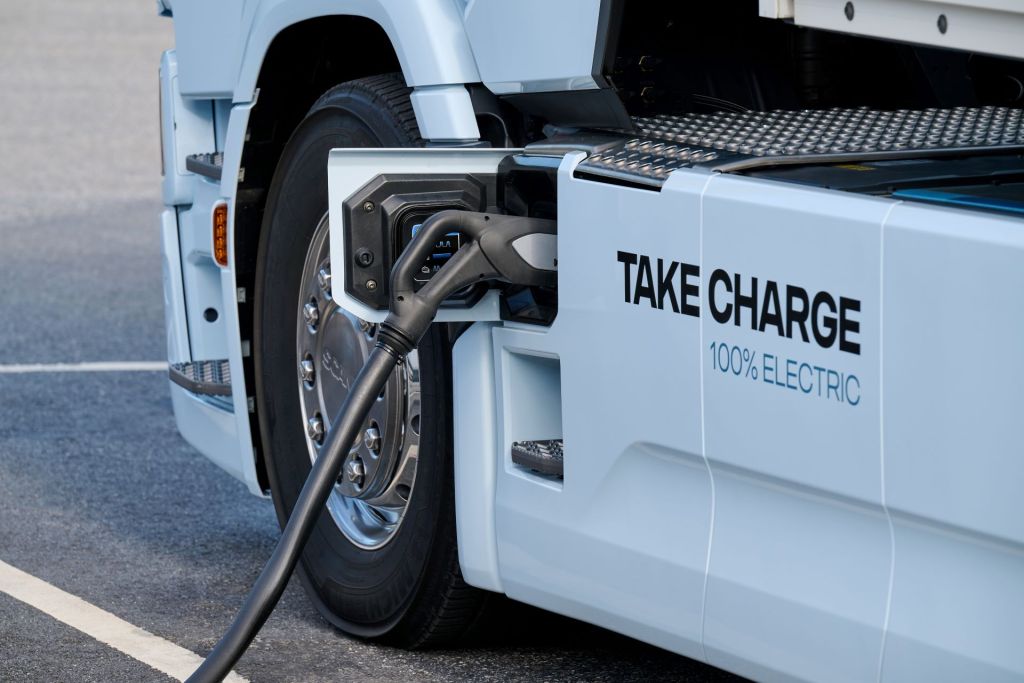
Due to shipping delays, the brand new fully electric prime mover, the 40 G BEV, has missed out on a berth in Brisbane
“But if you look at the overarching goal of reducing emissions, we can make a much bigger shorter-term impact by cutting CO2 by as much as 80 per cent by switching existing diesel engines to run on B100 biodiesel or HVO fuels.
“Across the country there are thousands of Scania trucks, new and used that can run on these fuels with little or no adjustment, and the emissions savings would be significant, with no payload, range or initial cost compromises of BEVs. It’s a message we will be spreading far and wide, especially now that supplies of HVO in particular are becoming more readily available.
“We have options for operators who want to make a decisive reduction in the CO2 emissions of their fleets: they can opt for our now enlarged and modular tailored BEV chassis program, or they can stay with ICE technology they know and trust, and total operating economy that they understand from years of experience, while still making a significant contribution to the cleaning of our atmosphere by switching to B100 or HVO,” he adds.