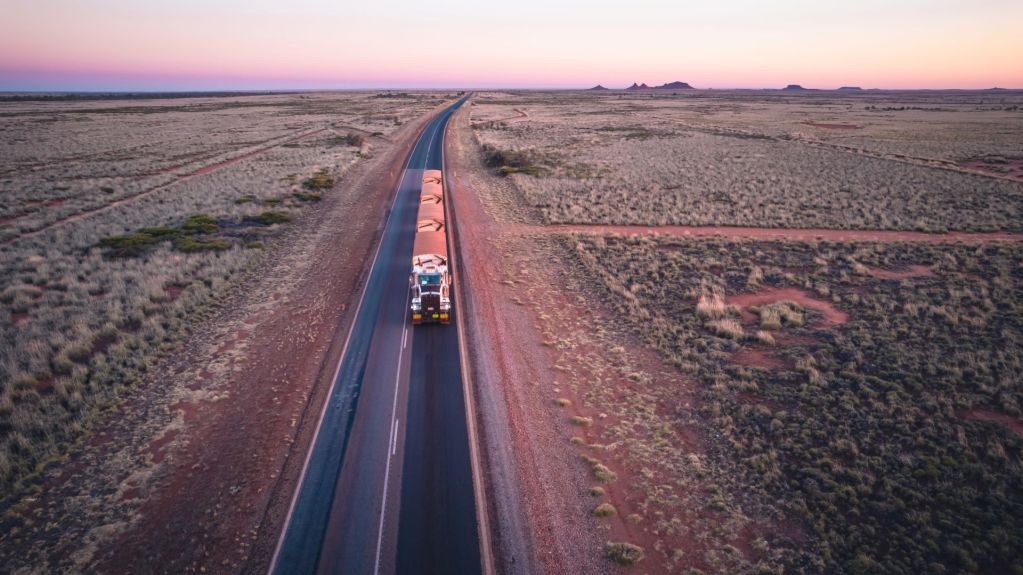
In the drive to decarbonise transport there’s a growing realisation that high-productivity truck and trailer combinations equate to less trucks, less trips and by extension less emissions. Visitors can expect to see the latest trailer innovations at the upcoming 2025 Brisbane Truck Show, from heavy-haulage low loaders to energy-harvesting refrigerated units, and everything in between
As transport operators push to improve their sustainability credentials, the obvious solution is a cleaner truck. But let’s not forget that Australia has some of the world’s most revered trailer designers and manufacturers, and is arguably the best at finding ways to make a single prime mover more productive.
Australian operators pioneered the use of multi-trailer combinations, dating back to the birth of the outback road train in 1945, the iconic B-double in 1984, and countless three- and four-trailer set-ups in more recent years.
High-productivity trailers equate to less trucks, less trips and by extension, less emissions. They’re typically safer too, thanks to rigorous engineering standards and second-to-none build quality. Australia has a long history of creating innovative combinations that can not only cart more freight, but can do so safely, without impacting the ageing road network.
Since the Performance Based Standards (PBS) scheme dreamed up by the National Heavy Vehicle Regulator (NHVR) came into play in 2007 the number of approved combinations out on the roads has skyrocketed.
The PBS creations have been taken to the extreme in recent years, too, with examples like O’Phee’s ‘London’ trailer, which can carry up to 12 20-foot containers – representing a 100 per cent increase on what was possible for a container truck before its inception.
At the last Brisbane Truck Show in 2023, pandemic-related supply chain setbacks were still plaguing the trailer industry, but in 2025 it’s all systems go as the industry continues to innovate with the combinations of the future.
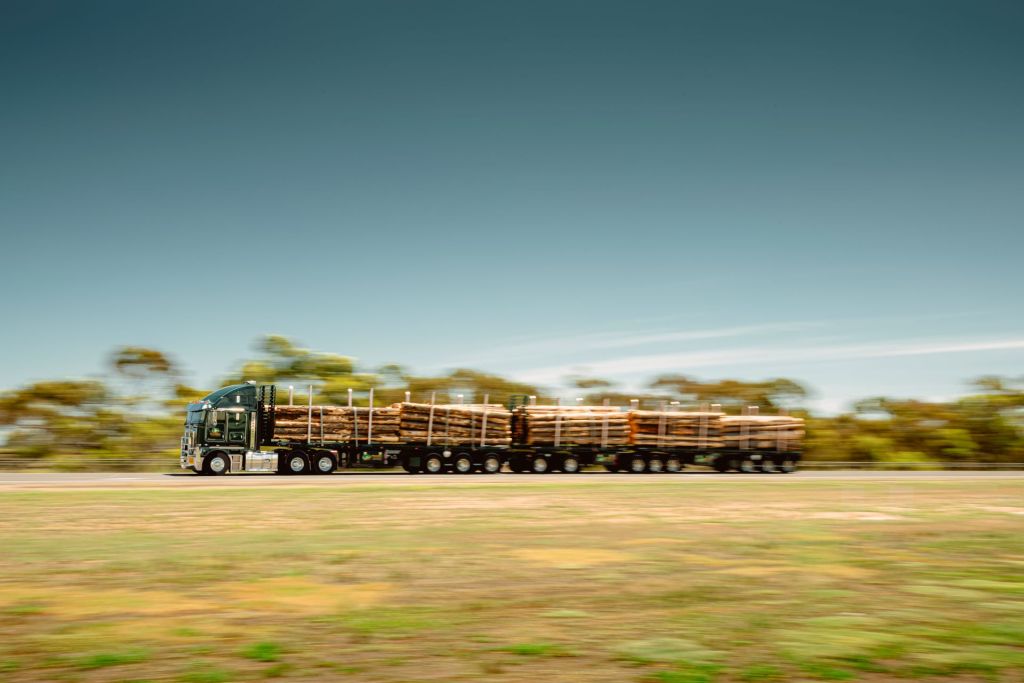
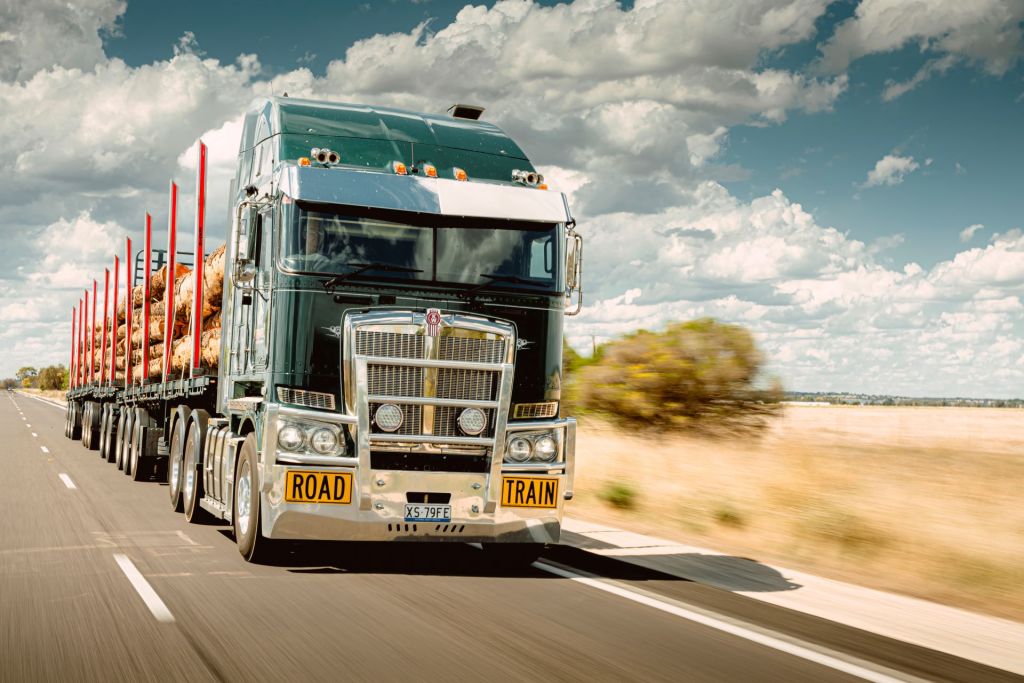

Fennell Forestry is employing AB-triples that measure up at 36.5 metres and are rated for an operating weight of 110 tonnes, which the company claims boast emissions savings of 60 per cent compared with single-trailer logging set-ups
Now, regulators and governments are pushing harder than ever to get high-productivity combinations on the road, carting more freight with less diesel burned. It’s a win-win, and plays into Australia’s long-standing strengths as a global trailer innovator.
Industry boom
The road transport industry is growing, with freight volumes expected to increase by 35 per cent between now and 2040, as online shopping becomes the norm for Australian families and imported goods flood ports around the country.
But trailer registrations are also growing, outnumbering trucks, with the ratio of trailers to prime movers increasing from 2.3 to 2.6 across the past decade.
Data from ARTSA-i shows that multi-combination trucks now make up 45 per cent of all heavy vehicle registrations, up from 39 per cent a decade ago, highlighting a focus on maximising productivity.
Truck registrations are up around 80 per cent for the same period too, with more than a million heavy- and medium-duty vehicles now paying road user fees in Australia each quarter. The growth, ARTSA-i says, was relatively flat until 2020 when heavy vehicle registrations soared.
“When also viewed as a total for all new heavy vehicle registrations above 4.5-tonne GVM, the growth in new registrations since 2020 is running at some 11.6 per cent per annum compared with a growth figure of under two per cent in previous years,” a recent ARTSTA-i report states.
Trailer registrations also spiked during the COVID-19 pandemic, with a growth rate around four times that of pre-2020 numbers, sitting at a 14 per cent increase per annum with no signs of slowing down. That equates to around 3,000 new trailers being registered each quarter.

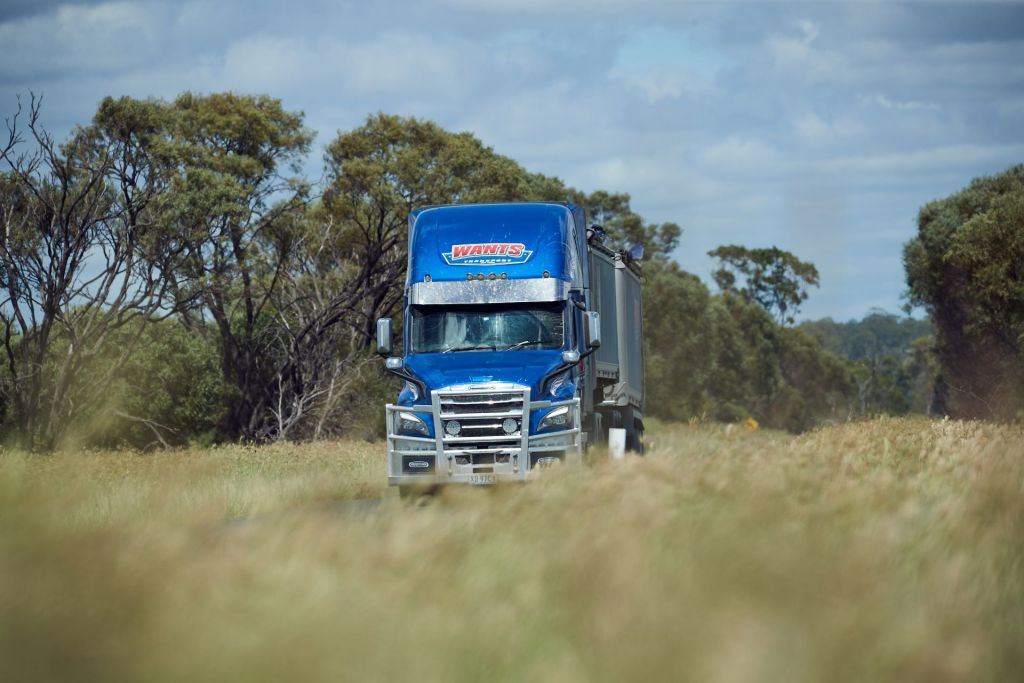

Of more than 20,000 Performance Based Standards (PBS) combinations on Australia’s roads, almost half consist of one vehicle type – the truck-and-dog combination, according to the NHVR
“Trailers have led the growth trend with semi-trailers being just over 60 per cent of total new trailer registrations across the 10 years,” the ARTSTA-i report states.
“Dolly and lead trailers have more than doubled their typical quarterly new registrations since 2020, reinforcing the trend to multi-combination vehicles.”
As transport companies push to reduce their carbon footprint, the importance of high-productivity multi-combination set-ups can’t be understated. If an operator is able to cart two, or even three times as much freight using a single prime mover, the emissions benefits are clear.
Top-down push
As the freight task continues to grow, governments and regulators are turning their attention to higher-productivity trailer combinations as a logical alternative to simply adding more prime movers to the national truck parc.
Transport for NSW (TfNSW) is one state government body pushing to enhance the productivity of the wider industry, as outlined in its refreshed Heavy Vehicle Access Policy draft that was released for consultation in May 2024.
The draft policy represents a clear shift towards improving productivity, across five distinct pillars: road network infrastructure; heavy vehicle configurations; access; telematics and data; and partnerships.
A key consideration was the acknowledgement that improving productivity, safety and sustainability will require expanded road network access for high-productivity vehicles, which is an approach that could be adopted nationally.
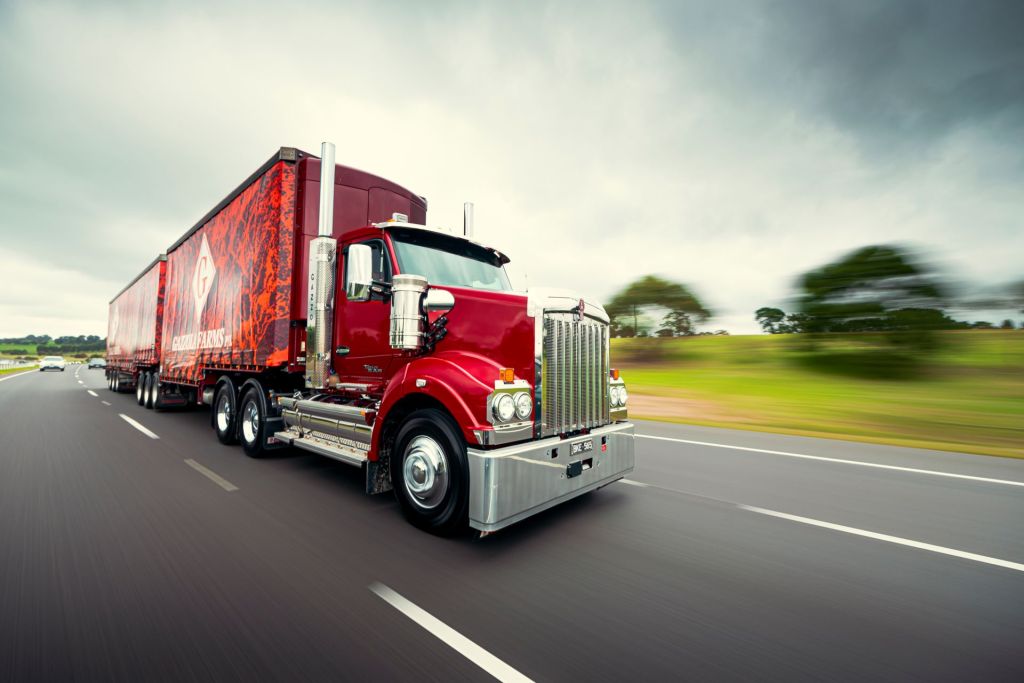
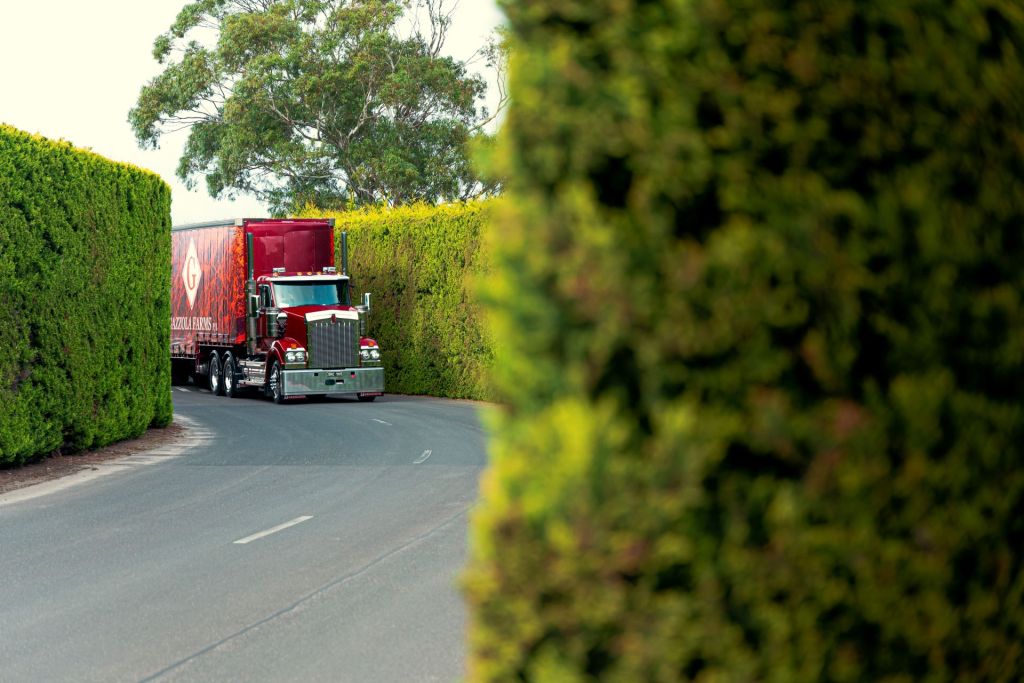

Australian operators pioneered the use of multi-trailer combinations, dating back to the birth of the outback road train in 1945, the iconic B-double in 1984, and countless three- and four-trailer set-ups in more recent years
Road managers around the country have been focused on the preservation of infrastructure, limiting weights, total number of truck movements and access for high-productivity vehicles.
The draft policy, though, suggests road managers are shifting from an attitude of preservation to optimisation, looking at ways to best utilise the road network by using higher-productivity truck and trailer combinations to maximise transport efficiency.
“The development of agile and resilient networks requires a shift in focus from network preservation to optimisation,” the draft policy says.
“This means that the basis for access decision-making must move from preserving assets to optimising the use of those assets by safe, productive and sustainable vehicles whilst minimising the impact of ageing and polluting vehicles on those assets.”
Among the proposals are 16 high-productivity vehicle design templates that would simplify the PBS process, catering to the general freight, livestock, logging, refrigerated and container sectors, which include B-doubles, A-doubles, B-triples and a BAB-quad.
Addressing end-to-end access will be key, as Australian operators move to higher-productivity trailer set-ups, and the policy draft discusses streamlining the process by moving from permits to access by gazettal.
However, as anyone in the transport industry will know, the sheer number of gazettes, notices and permits to contend with is overwhelming. In NSW alone, there are almost 30 Heavy Vehicle National Law (HVNL) notices and the NHVR’s website lists almost 40 notices.
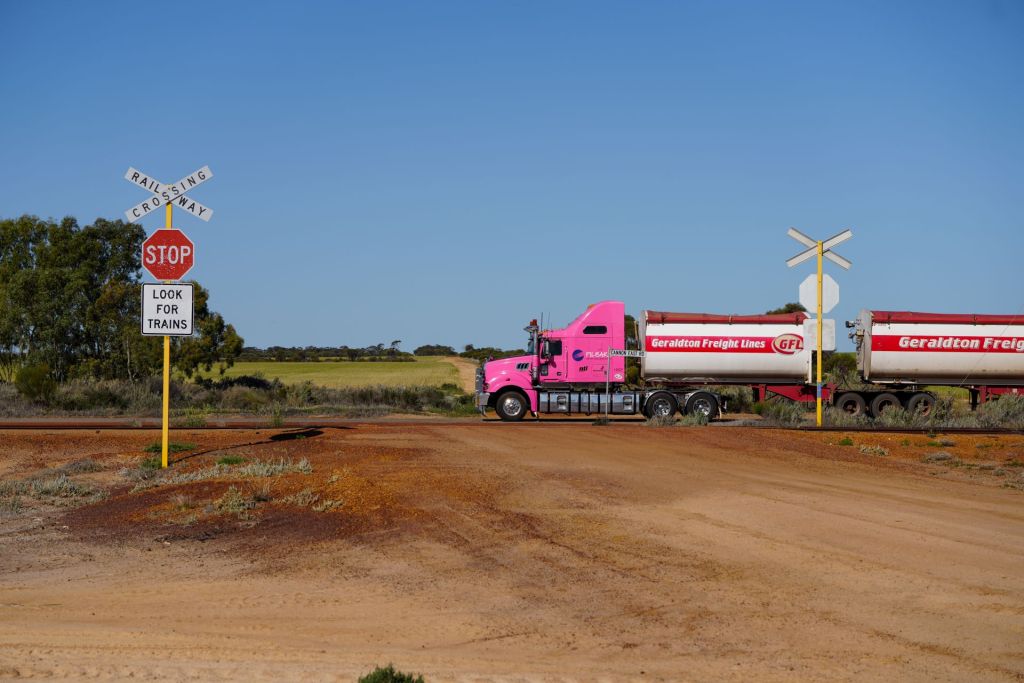

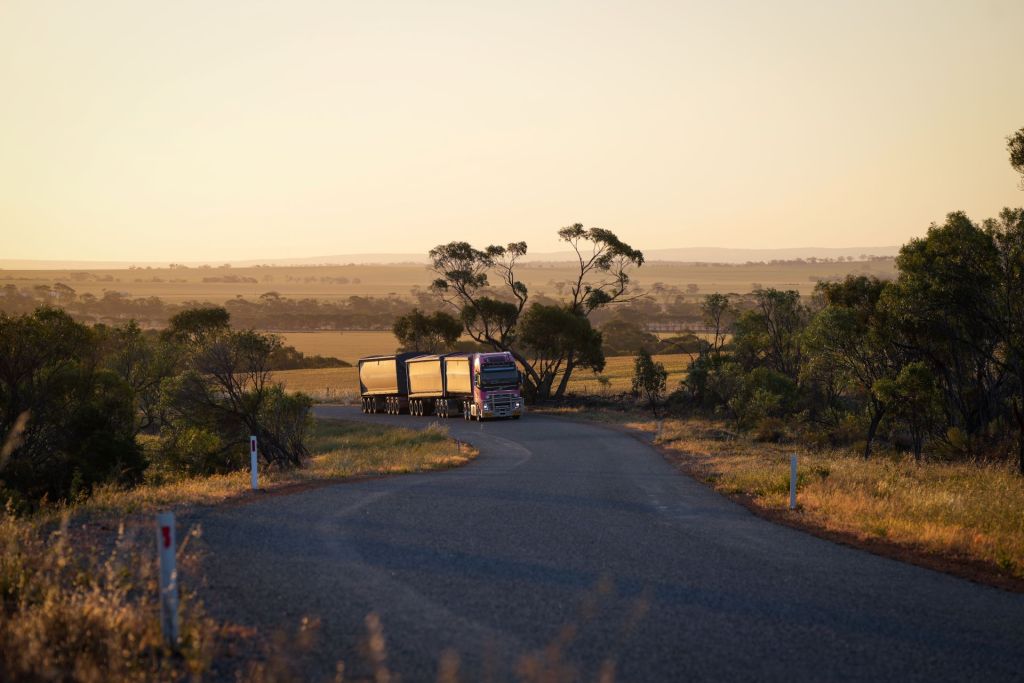
Higher-productivity trailer combinations can reduce whole-of-fleet emissions by carrying more freight with less total trips. They’re typically safer too, thanks to rigorous engineering standards and second-to-none build quality
Improving access for high-productivity vehicles will therefore require a smoothing of the processes, in line with the approach of ‘making it easiest for the safest, most productive and sustainable vehicles to access the network’ outlined in the report.
Governments and road managers are shifting towards a productivity mindset, which is a step in the right direction for the transport industry, and is certainly good news for the trailer industry.
Productivity at play
The NHVR wrote the high-productivity playbook with the PBS scheme, but now nearly 20 years on the scheme is overdue for an update. For that, the regulator is calling on the Government to take a more collaborative approach to high-productivity trailers.
In the ‘Removing Roadblocks to Reform’ paper the NHVR calls for amendments to the HVNL, to move proven and popular PBS combinations to the prescriptive fleet, allowing greater access to high-productivity trucks.
“Right now in Australia, the safest, most productive and lower emission heavy vehicles face more barriers to get on the road than a standard ‘prescriptive’ heavy vehicle and, as a result, we are seeing higher emissions, loss of productivity benefits and most concerningly, more fatalities,” says NHVR Chief Safety and Productivity Officer, David Hourigan.
“We need to modernise the PBS scheme, and to do this we must change the Heavy Vehicle National Law. We seek to work with Government and industry to reset the PBS scheme’s policy settings and update the PBS standards.”
Hourigan explains that while the PBS scheme has led to countless innovative combinations, it is no longer promoting the use of the latest technology or trailer designs.
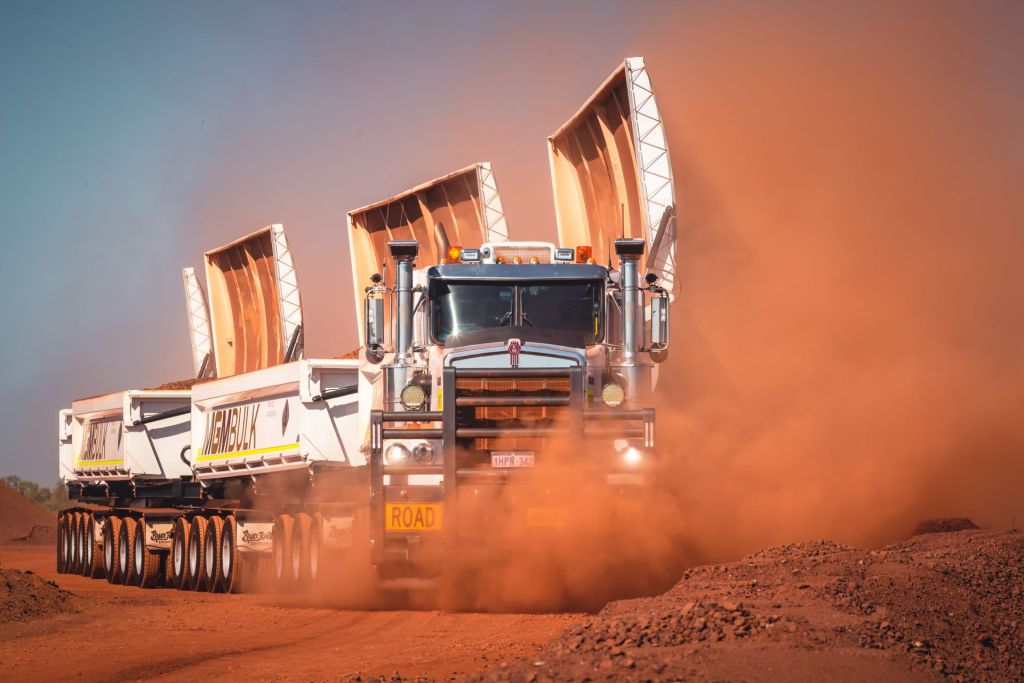
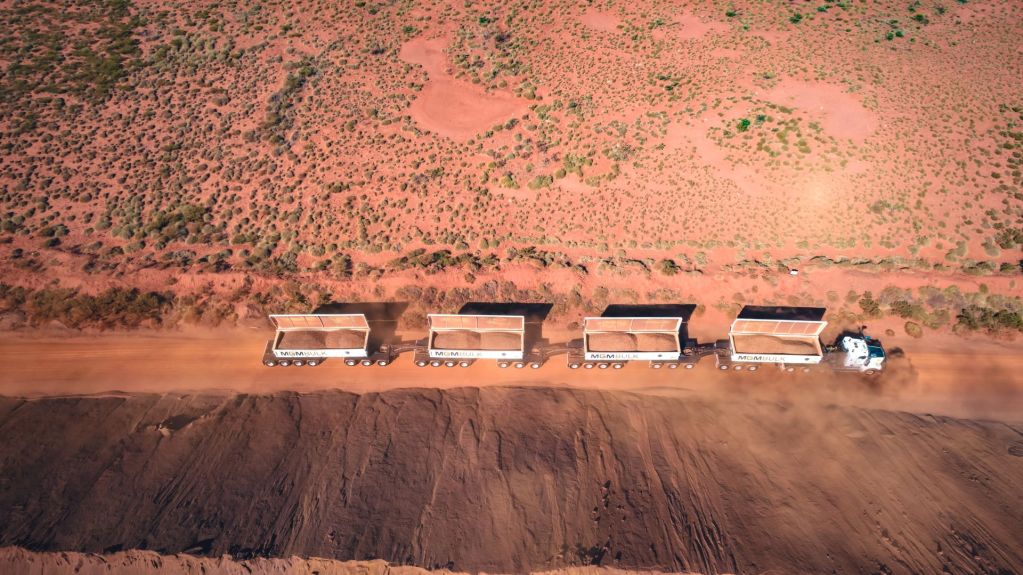
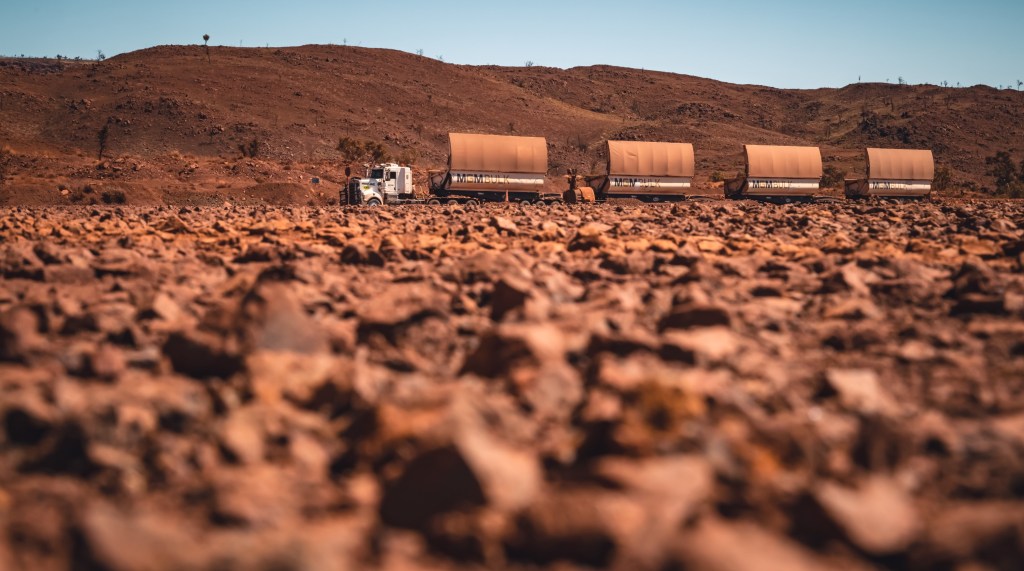
Super- and ultra-quad trailer combinations such as those below used by WA-based bulk haulage operator MGM Bulk measure up to 60 metres in length and can carry more than 100 tons of iron ore
“Rather than allowing for new truck designs, it is dominated by more or less the same vehicles,” he says. “Of more than 20,000 PBS combinations on Australia’s roads, almost half consist of one vehicle type – the truck-and-dog combination.”
However, despite the large numbers of ‘ordinary’ combinations joining the PBS fleet, there are still genuinely game-changing examples finding their way onto Australian roads.
None is more impressive than The Drake Group’s ‘London’ trailer, which was the brainchild of O’Phee Trailers’ founder Mick O’Phee and Qube Logistics General Manager of Operations Darren Fuller, dreamed up over a conversation and brought to life by an A-team of innovators that included regulators and The Drake Group employees.
The double stack container super B-double skel trailer, similar in nature to the double-decker buses that operate in London (hence the code name), required out-of-the-box engineering solutions and significant regulator support.
“We went to the regulator and made sure they would back it because a lot of the Performance Based Standards criteria didn’t apply – this wouldn’t be overtaking, for example, but once they agreed, we moved forward,” Mick O’Phee says.
The unique double-stack trailer was one-of-a-kind and had never been done before, so required innovation at every stage – right down to the unique hydraulic load-restraint system.
“We had no idea how we were going to do the load restraint, but we had some ‘far out’ ideas,” he adds. “We thought, let’s just put some containers on a triple skel to show what it will actually look like, and then when we get to stage two we’ll work out how we’re going to do this! All inventions happen this way, because it’s never been done before.”
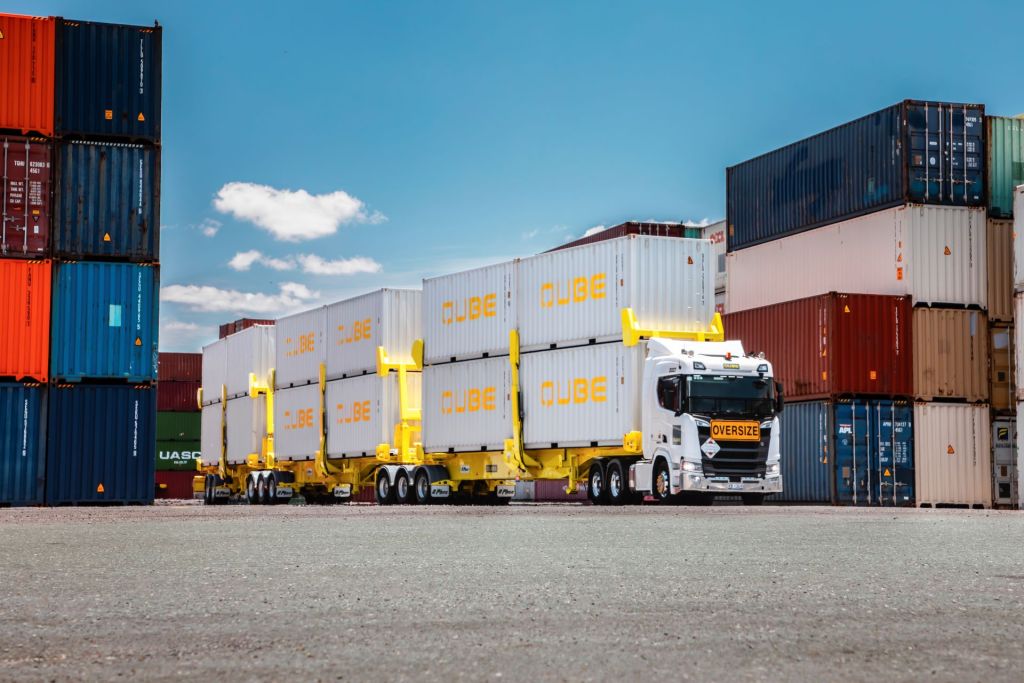
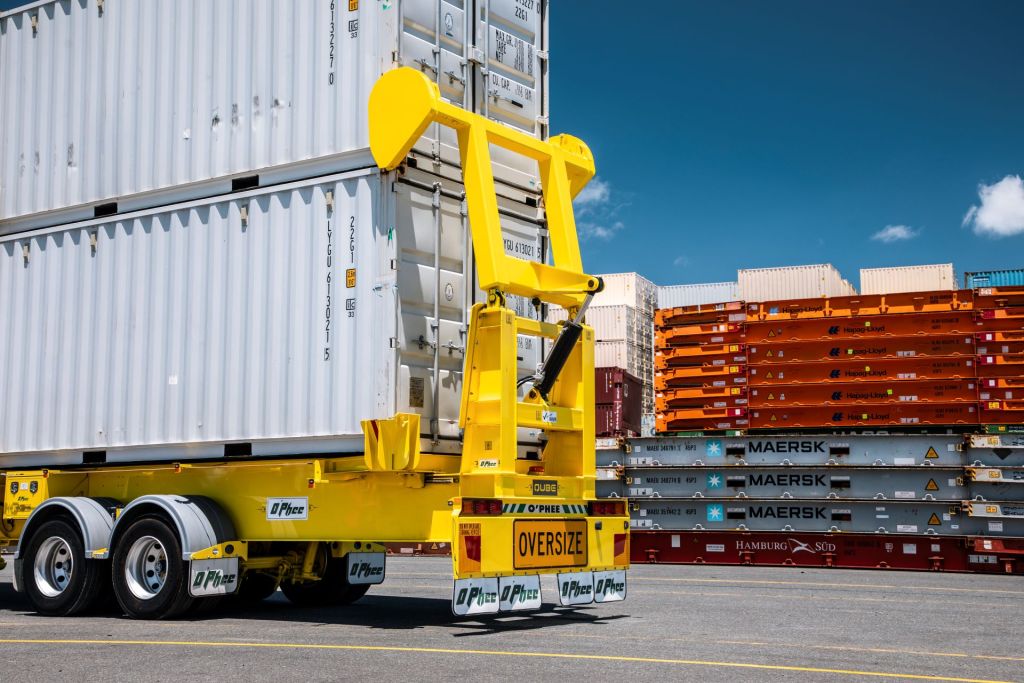

Innovative trailers such as the ‘London’ double stack container super B-double skel trailer developed for Qube by The Drake Group subsidiary O’Phee Trailers cart more freight with less diesel burned
Following speed and stability testing with the NHVR, which included computer simulations and physical tilt tests, the ‘London’ trailer began its real-world trials at the Port of Brisbane in 2023.
Unsurprisingly, the trailer was named 2023’s most innovative product at the HVIA National Awards, representing a leap forward for Australia’s trailer manufacturing industry.
The ‘London’ trailer represents the level of innovation capable under the PBS scheme, and an overhaul of the current standards will drive further productivity improvements by encouraging the industry to dream up and design the combinations of the future.
The road ahead
Australia’s net-zero ambitions pose a serious challenge for so many industries, but road transport is among the most affected as operators push to decarbonise their fleets.
Right now, higher-productivity trailer combinations can reduce whole-of-fleet emissions by carrying more freight with less total trips.
Government and regulator support is critical because Australia’s trailer manufacturers are among the best in the world, and are well and truly up to the task.
Visitors can expect to see the latest trailer innovations at the upcoming 2025 Brisbane Truck Show, from heavy-haulage low loaders to energy-harvesting refrigerated units, and everything in between.
Related Story: New Generation ICE Trucks Deliver A Cleaner Burn